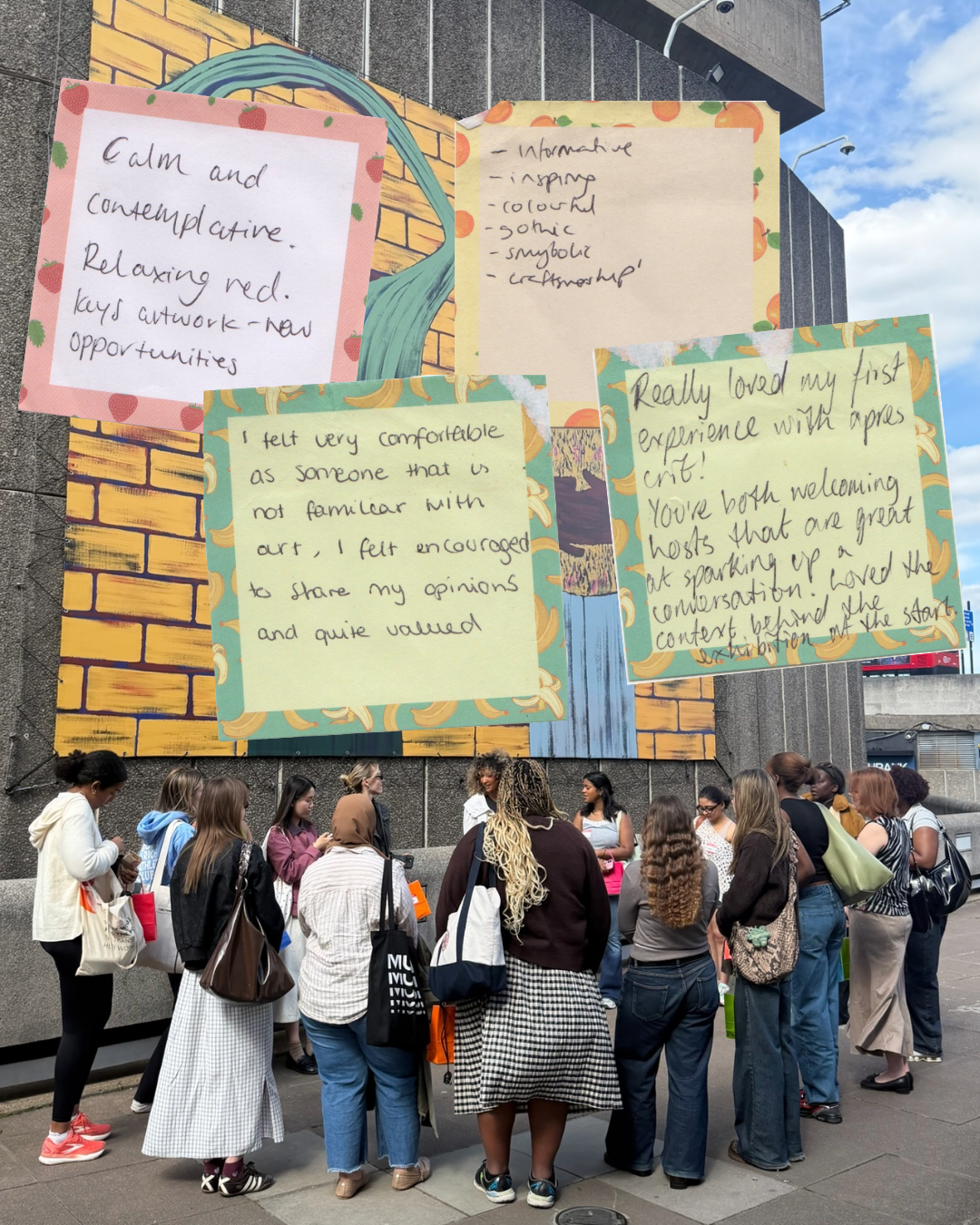
Après Crit
May 14, 2026
Fresh perspectives on London’s art scene
Meet Maya and Laura, two friends who studied art together at university. After graduation, they continued to frequent galleries and exhibitions together, only to notice they were not reflected in the spaces they were visiting. London’s art scene was lacking the perspectives of women like them: young, curious, and from diverse backgrounds.
Despite working in creative fields, they both missed analyzing and discussing art with their peers as they once had. So, they founded Après Crit: a space for women from all backgrounds to hone their artistic voices through critical thinking and interpretive analysis.
Their events range from gallery visits to artist studio tours, but their ethos stays the same: making art accessible to everyone. Central to that is highlighting work by women and artists from marginalized groups in a scene that otherwise remains predominantly white and male.
I was lucky enough to sit down with the co-founders and ask them everything, from how they choose which exhibitions to visit, to the thinking behind their three pillars: no alcohol, no pretentiousness, and no experience needed.
Q&A with Maya Armon & Laura Palladini, co-founders of Après Crit
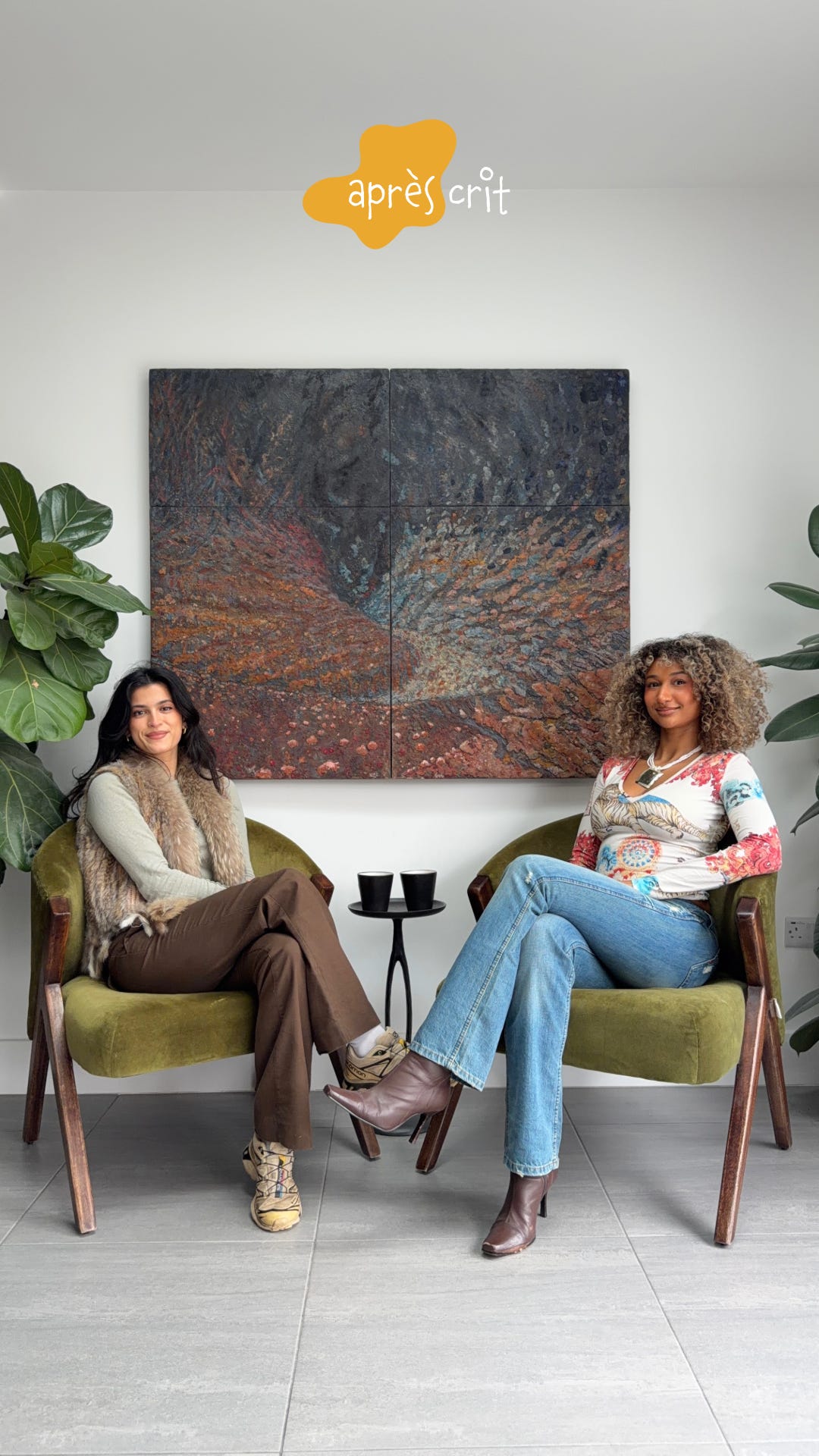
Q.1. How did the two of you meet, and what inspired you to start Après Crit?
We met at university studying Fine Art and have been friends ever since, which is nearly 10 years now. One of the most memorable parts of that time was doing art crits with our class. These were sessions where you’d present your work to a small group and have an open discussion around it, helping you figure out if the work was coming across as you intended or if you needed to take it in a different direction. You could grill and get grilled, hear different perspectives, and sit somewhere between objective and subjective thinking.
What really stuck with us was how those conversations didn’t just stop when the sessions ended. We’d carry them on outside the studio and keep unpacking ideas together. Now, even though we both work in creative fields, I’m in production at a motion design studio and Maya works as an assistant director in commercials and music videos, we realised we really missed that kind of conversation about art. Not just surface level stuff, but taking the time to think more deeply and properly process how something makes you feel.
Après Crit came from that. We wanted to create a space where people can slow down, talk about art openly, and connect through conversation and critical thinking. It’s about opening up to new perspectives and finding different ways to see the world.
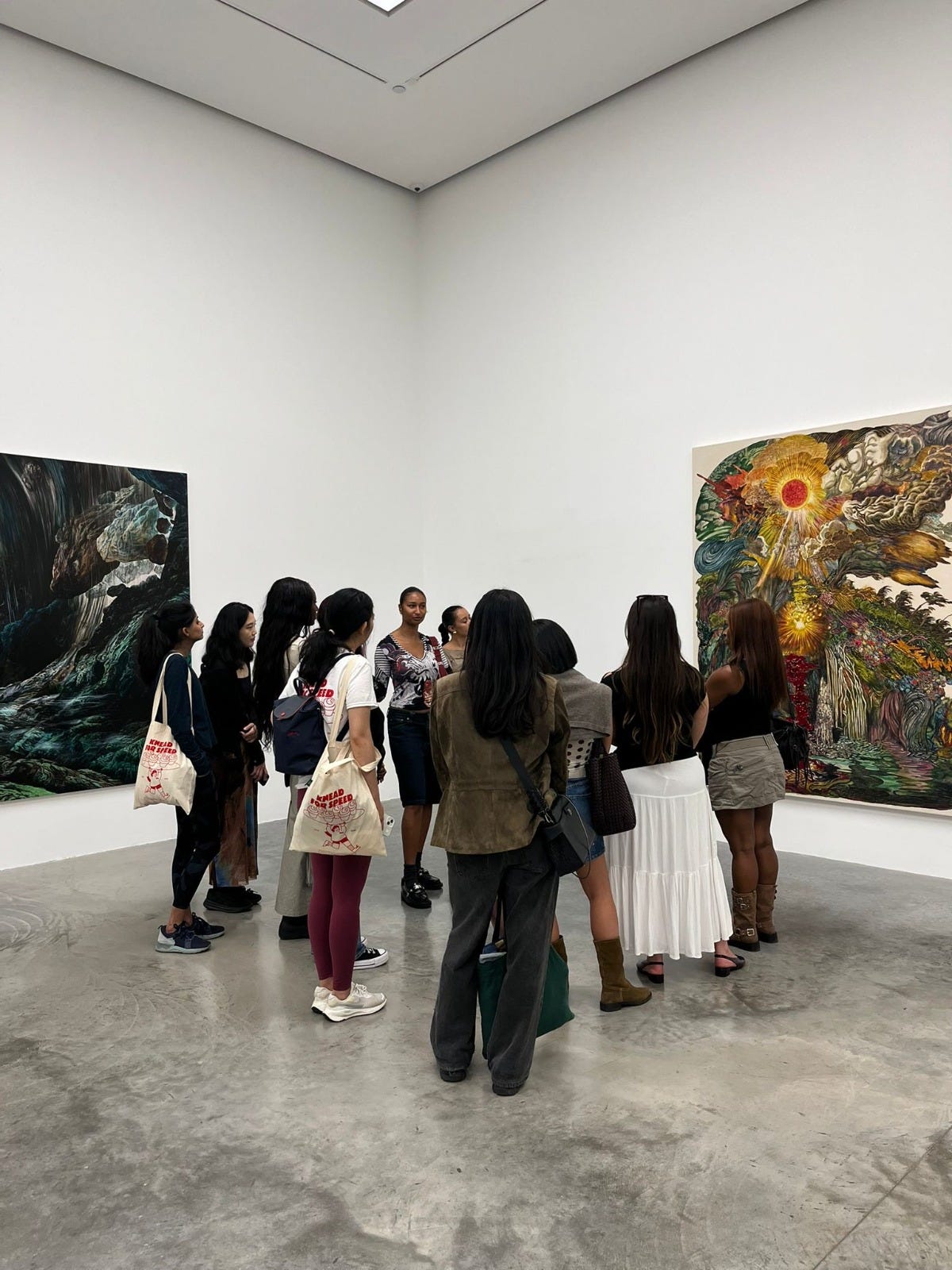
Après Crit girls at White Cube gallery in London
Q2. London is a city with countless galleries. How do you choose which exhibitions to visit, and what does a typical Après Crit event look like?
It takes a lot of research and time spent going to galleries to find the right shows. Our aim is to spotlight women artists and artists from marginalised groups, as well as different cultural backgrounds. We think it’s important that the art world reflects the complexity and diversity of the society we live in. Even though there’s been a push for institutions to feature more diverse voices, these spaces are still largely white and male dominated.
We run a range of different events, but the core idea is always the same, making art feel more accessible. Each session starts with an introduction to the artist and the show, followed by exercises that get people thinking more critically as they move through the exhibition. We also share ways to engage with the work and connect with it in a way that feels personal. As co-founders, we’ll each pick a piece to do a live crit, so people can see how a work can be unpacked, broken down, and opened up through questions and discussion.
Then it’s their turn. We regroup over food or drinks, and members present their favourite pieces and lead their own crits. Sometimes we also organise studio tours, where artists share new work and lead the conversation, giving members the chance to respond, ask questions, and offer their own perspectives.
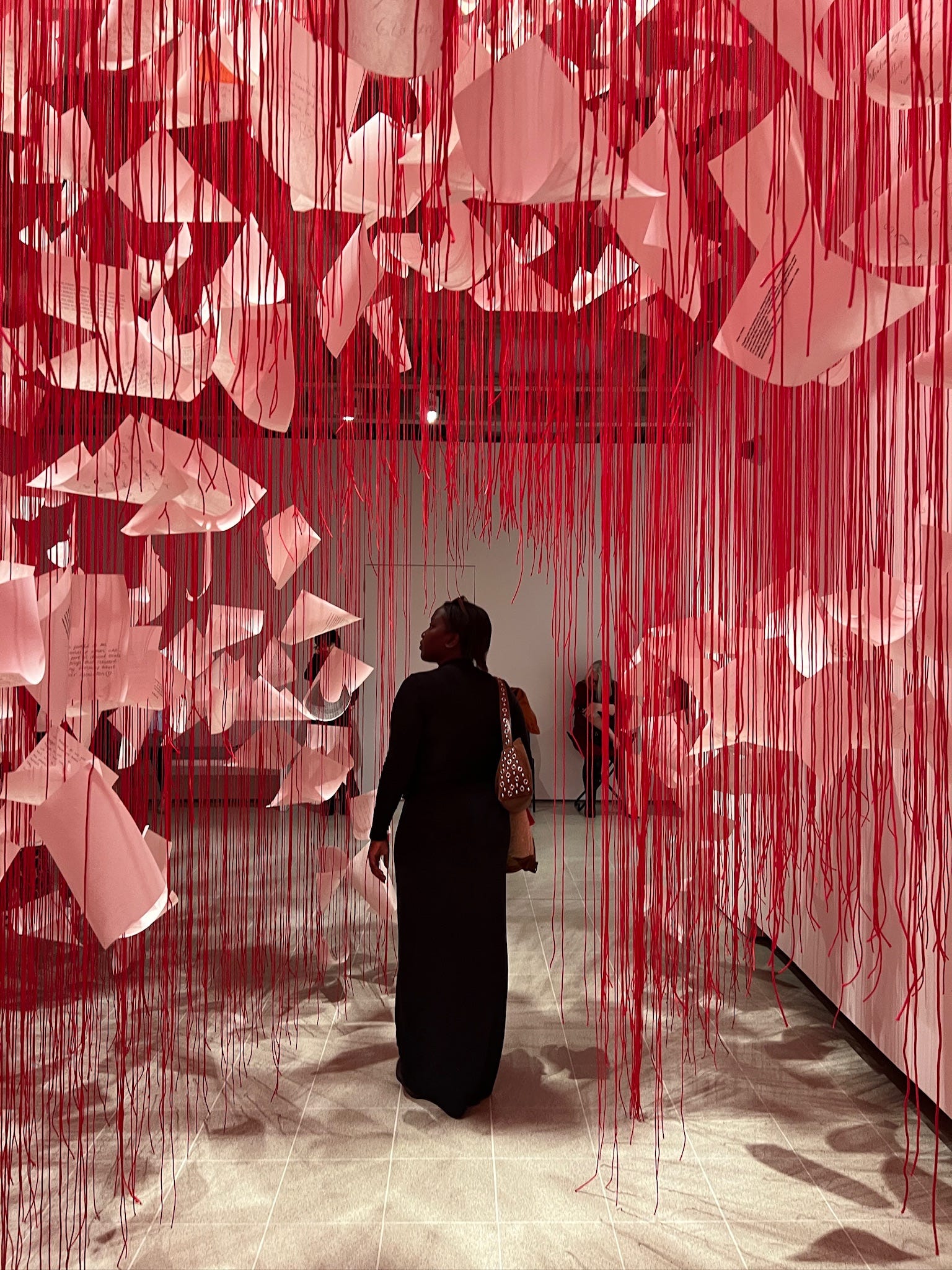
Chihauro Shiota’s “Threads of Life” installation at Hayward Gallery
Q3. No experience needed, no pretentiousness, no alcohol — those three things feel very intentional. What was the thinking behind each of them?
Art is for everyone. A lot of people are interested in it but don’t always feel confident enough to show up, so we try to remove that barrier by giving people the context and tools they need to engage without feeling like they have to figure it all out alone. At the same time, there are people who go to galleries all the time but want a more shared, open experience. We wanted to create something that works for both, whether you’re a regular or completely new. No pretentiousness is a big part of that. There are no right or wrong answers, no one to impress, just honest reactions and real conversations.
Art can also be quite vulnerable, so creating a safe space is important to us. That’s why we’ve made it women only, so people can feel more comfortable opening up and sharing their thoughts.
The no alcohol part…it’s quite hard to find events in London, that don’t revolve around drinking, even gallery openings tend to have that built in. We didn’t want alcohol to be a social crutch. Instead, we wanted to offer an alternative space that supports being present and engaged, especially for people who are sober or sober curious. Without it, the conversations feel more focused and more genuine.
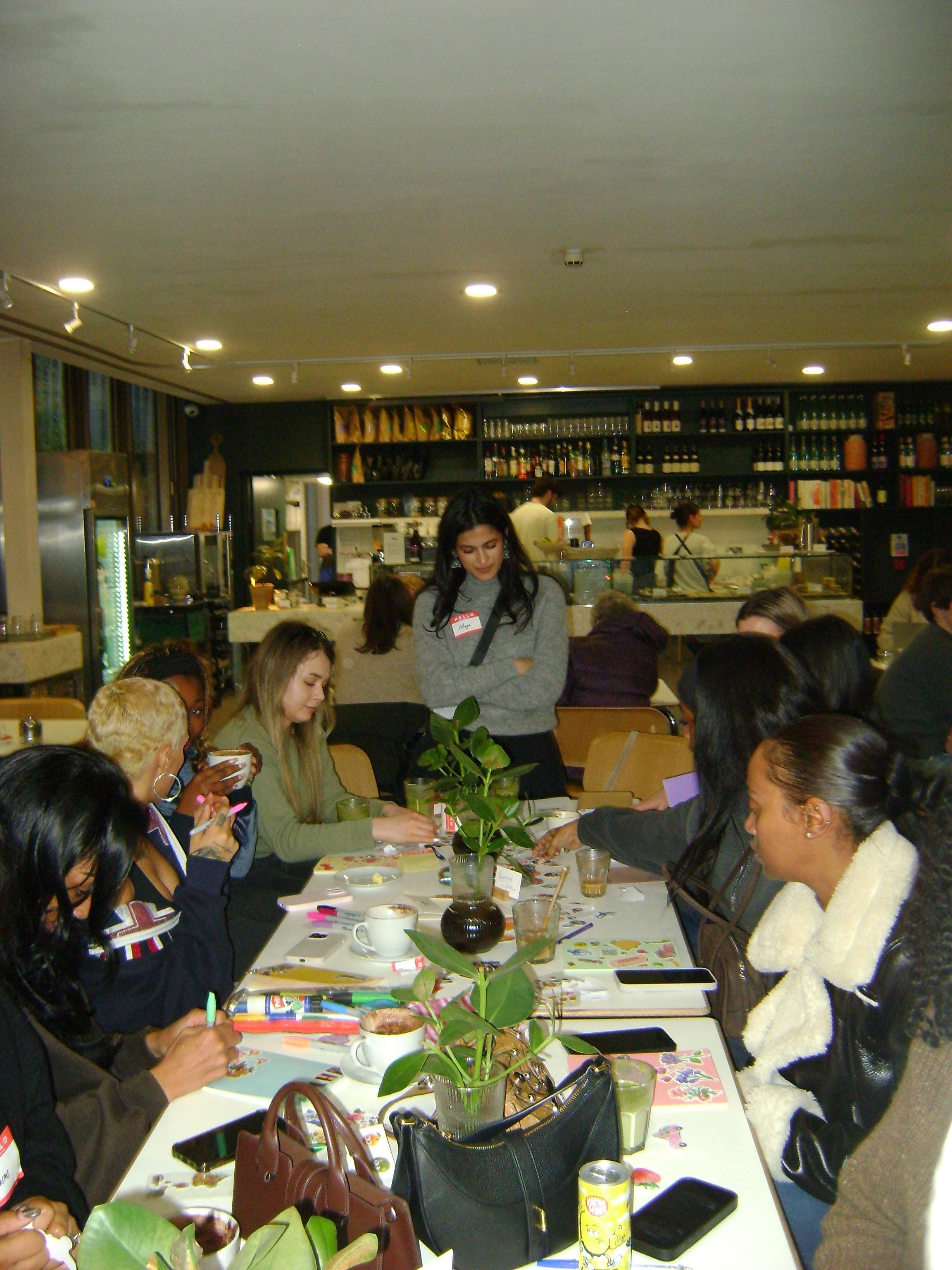
Q.4. Has there been a moment that reminded you exactly why you started this?
There have been moments where people get genuinely emotional during sessions, and that really stays with us. It shows how deeply art can be felt when you give yourself the time and space to sit with it.
Another thing we love is seeing our self-proclaimed “non creative” members share really thoughtful, sharp insights. Some of the most interesting takes come from people who don’t see themselves as creative at all. It just reinforces what we’ve believed from the start, art is for everyone, and more people should feel confident claiming their space in it.
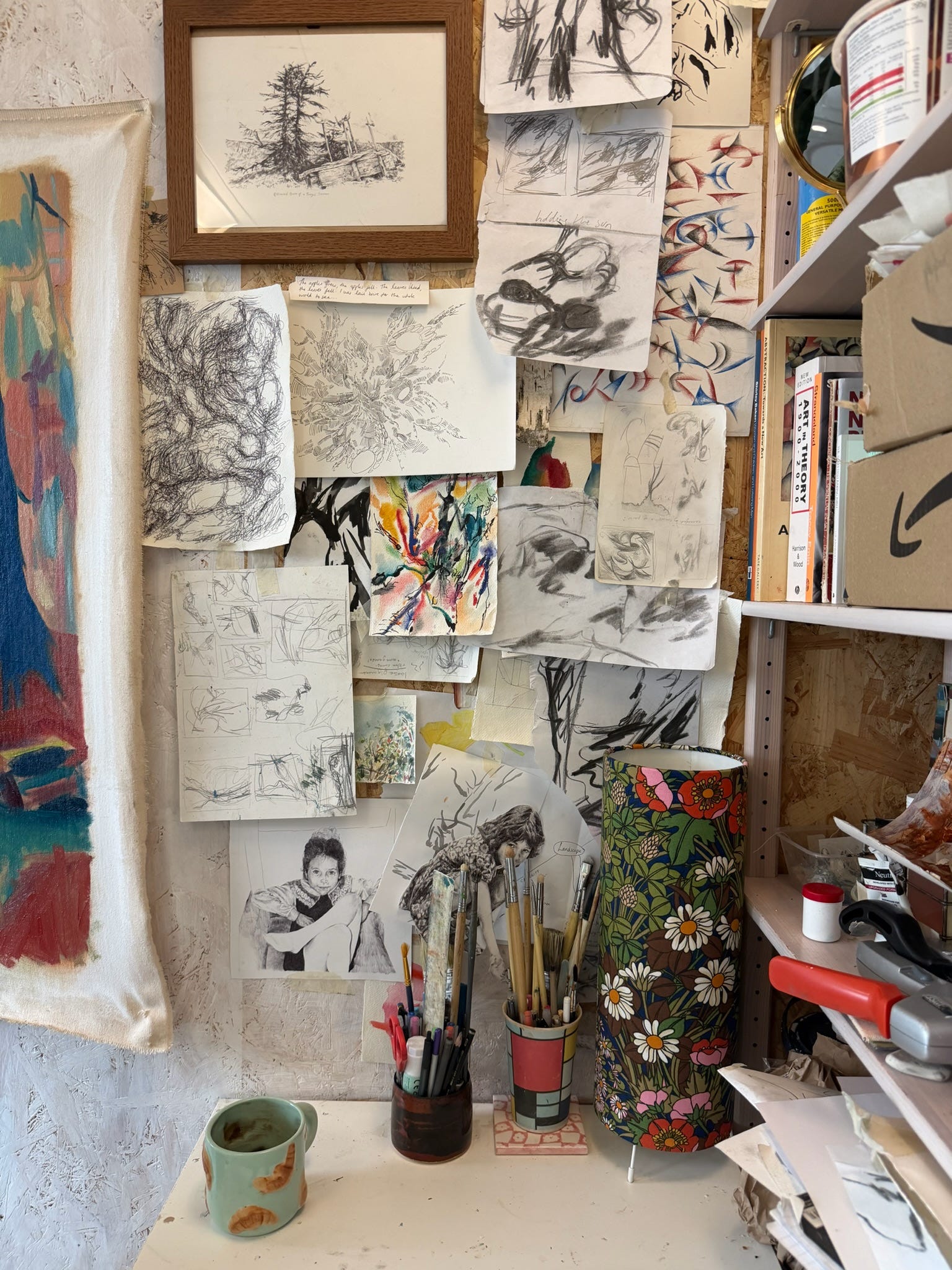
Après Crit celebrated International Women’s Month by stepping inside the private studios of 5 female artists
Q.5. What’s next for Après Crit, any exhibitions, collaborations, or ideas you’re excited about?
More artist led workshops and experiences that blend mindfulness. We’re really interested in slowing things down and giving people the space to properly connect with what they’re seeing and feeling.
We’re also starting to work more closely with artists to help shape exhibitions, which is really exciting. It means we can give our members more behind the scenes access, like Q&As with the artist and invites to private views, so they can engage with the work on a deeper level.
We’re also planning to expand internationally into major art hubs. Not just the obvious ones like New York or Venice, but places like Lagos, Cape Town, Senegal, São Paulo, India and beyond. A big part of that is about widening the lens. We’re often shown art through a Western perspective, so it feels important to tap into other scenes and ways of thinking, and keep opening up the conversation beyond that.
Despite only beginning their journey building Après Crit last year, Laura and Maya have cultivated an inclusive space where self-proclaimed “non-creatives” can find their artistic voices and those who previously felt intimidated in haughty galleries are empowered.
Their next event will be centered around British-Nigerian artist Ranti Bam’s exhibition “SACRED GROVES”, at the South London Gallery. Follow them on Instagram at @aprescrit to stay updated on their upcoming events.